 class="post-hero"
width="1200" height="460">
class="post-hero"
width="1200" height="460">
A Prayer Rhythm Older Than the Church
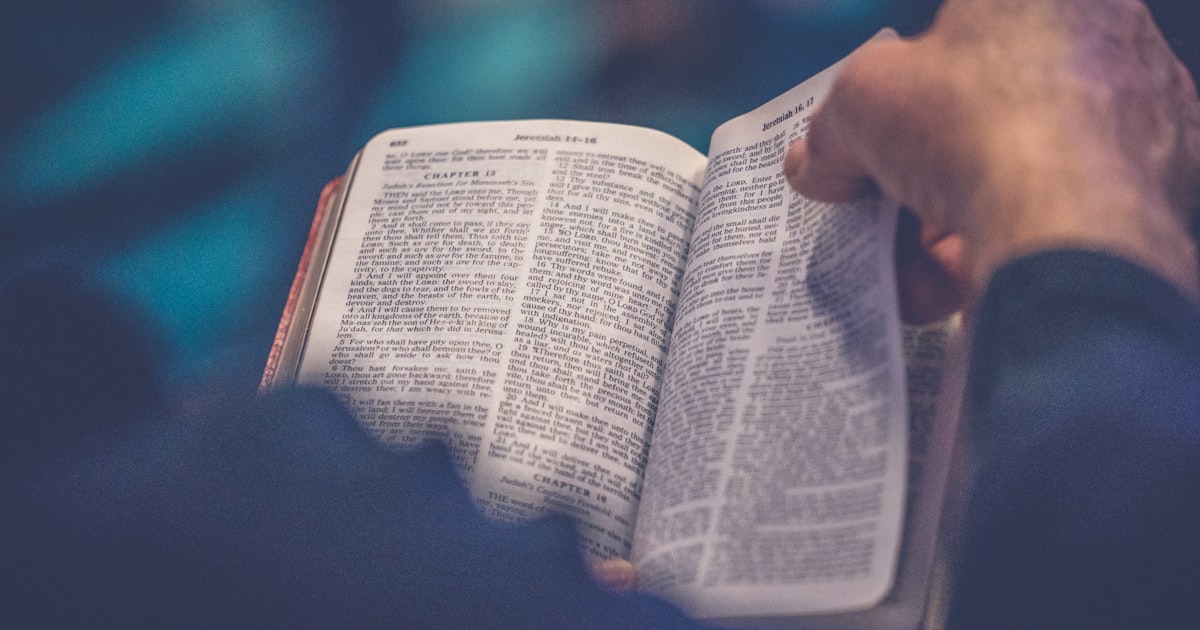
Long before anyone spoke of morning devotions or night vigils, King David had already established a simple but powerful rhythm of prayer that he refused to abandon even while surrounded by enemies. He did not wait for a convenient moment or a crisis to force him to his knees. He built prayer into the very structure of his day, marking evening, morning, and noon as fixed appointments with God.
"Evening, and morning, and at noon, will I pray, and cry aloud: and he shall hear my voice." — Psalm 55:17
Of these three, the noon prayer is the one most easily forgotten today. Morning prayer feels natural before the day begins, and night prayer feels natural when the day is winding down, but noon falls in the middle of work, study, travel, and household chores — exactly when it is easiest to let prayer slip away unnoticed.
Peter's Rooftop Prayer That Changed History
The Book of Acts records a moment that reshaped the early church, and it happened neither in the morning nor at night, but at noon. Peter went up to the rooftop of a house in Joppa to pray around the sixth hour, which by Jewish reckoning was midday, and it was during this ordinary midday prayer that God gave him a vision that opened the gospel to the Gentile world.
"Peter went up upon the housetop to pray about the sixth hour." — Acts 10:9
Notice that Peter was not seeking a dramatic experience. He simply kept his noon prayer appointment like any other day, and God chose that ordinary faithfulness as the moment to reveal something extraordinary.
Why Noon Prayer Fits Tuticorin Life So Well
For students, factory and port workers, shopkeepers, and government employees across Tuticorin, the midday break is often the only true pause in an otherwise packed schedule. Instead of spending those fifteen or twenty minutes only on food and phone scrolling, that same window can become a sacred pause — a short but deliberate return to God's presence before the second half of the day begins.
- Step away from noise for even five minutes during lunch break.
- Thank God for the morning that has passed and ask for strength for the afternoon.
- Bring one specific concern — a decision, a relationship, a health matter — before God.
How to Build a Simple Noon Prayer Habit
You do not need a quiet room or a long stretch of free time. A noon prayer can happen at a work desk, inside a fishing boat between tasks, in a school corridor, or seated quietly at a shop counter. What matters is consistency, not location. Set a daily reminder if needed, and treat it as seriously as any other appointment on your calendar, because it is, in fact, the most important appointment of your day.
Over time, this small discipline reshapes an entire day. A morning that started in a rush is steadied by a noon check-in with God, and an afternoon that could easily drift into distraction is refocused with fresh purpose before evening arrives.
An Invitation to Reclaim the Missing Hour
David called on God three times a day and testified that God heard his voice each time, not only in the morning when hope is fresh or at night when exhaustion drives us to surrender, but also at noon, in the middle of ordinary responsibility. If a shepherd-turned-king facing armies could find time at midday, and a fisherman-turned-apostle received a world-changing vision at that same hour, then the busiest afternoon in Tuticorin can also hold room for a few minutes with God.
What to Do When a Formal Pause Feels Impossible
Some jobs genuinely make a formal noon pause difficult — a fisherman hauling nets at sea, a factory worker on a supervised line, a mother managing small children with no quiet corner in sight. In these situations, noon prayer does not have to look like sitting still with closed eyes; it can be a silent sentence prayed while the hands keep working, a brief inward turning toward God that takes no visible pause at all. What matters most is the intention behind the moment, not its outward appearance or duration.
Over weeks of practising this, even in its most hidden and silent form, believers often find that the noon hour begins to feel like a natural checkpoint rather than a forced discipline — a built-in reminder, right in the middle of a demanding day, that God has been present through the morning and remains present through whatever the afternoon still holds. Many who adopt this rhythm say it becomes the anchor that steadies an otherwise scattered day, more valuable over time than any single dramatic answer to prayer.
Still Have a Doubt?
Write to us by email only at anselmajohn2020@gmail.com. We will reply as we are able. Blog questions are answered by email only.